CEILING WATER DAMAGE • MIDVALE, UTAH
Professional Ceiling Water Damage Repair in Midvale, UT 84047
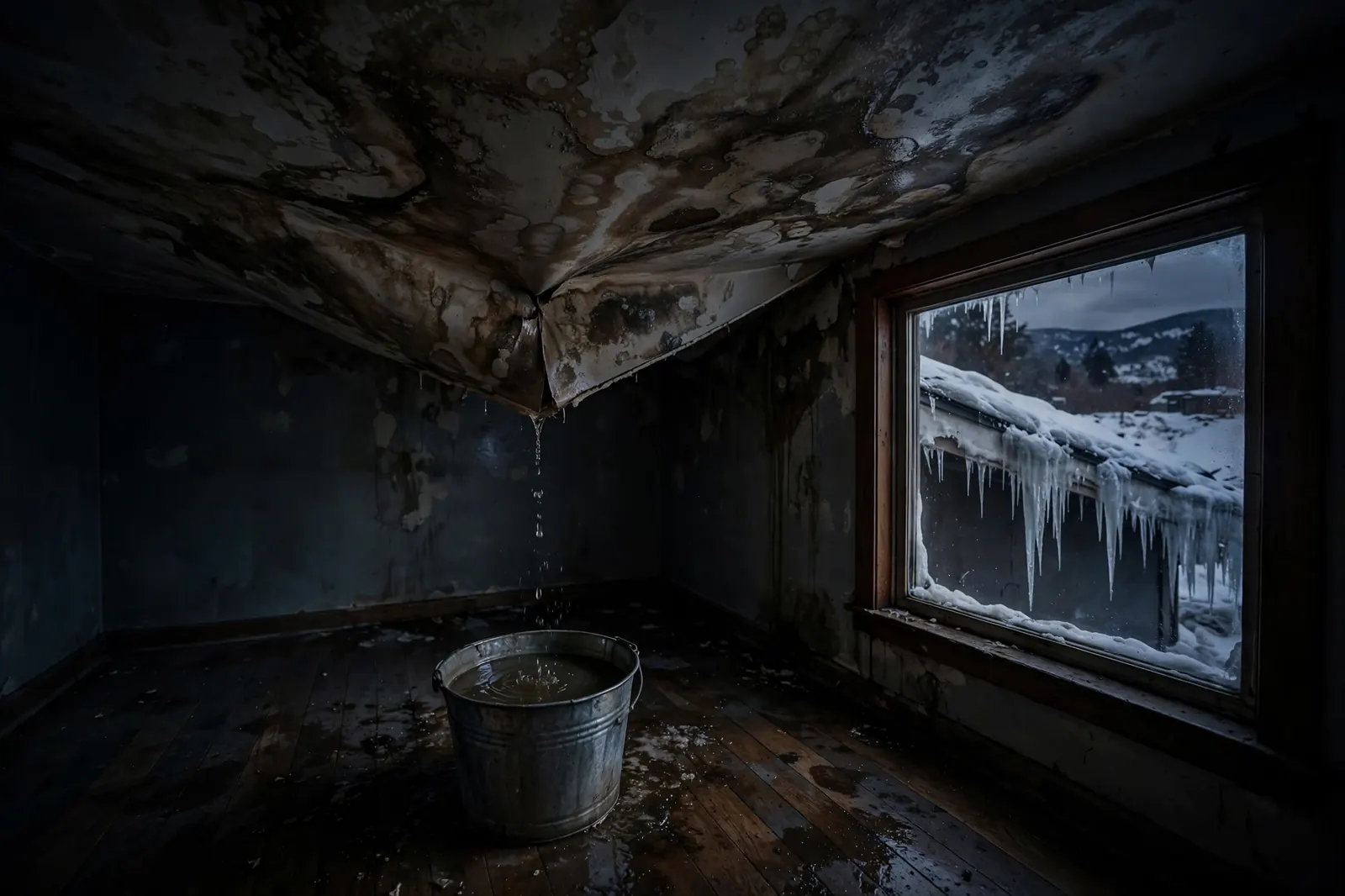
A brown ring overhead, a bubble in the paint or water dripping through a light fixture all mean the same thing: water is sitting above your ceiling right now. Our ceiling water damage repair Midvale UT crew is dispatched immediately to drain it safely, find the source, dry the joists and insulation, and restore the ceiling so the texture and paint match the rest of the room.
24/7 Emergency Response · Safe Ceiling Drainage · Texture-Matched Repairs · Moisture-Mapped Drying
What should I do if my Midvale ceiling is sagging with water?
Turn off power to that room, move belongings, set a bucket and keep people out from under it. A wet sagging ceiling can drop without warning, so it needs controlled drainage.
Drywall is strong when dry and weak when wet. As water collects above it, the board softens, the screws pull through, and the weight keeps growing. A sagging wet ceiling holding a few gallons can come down in one piece, bringing insulation and dirty water with it. If the bulge is small and you can reach it safely, poking a small hole at the lowest point with a screwdriver lets the water drain into a bucket in a controlled way. If the ceiling is large, bulging badly or near a light fixture, stay out from under it and wait for the crew.
Ceiling Emergency: The Safe Order of Steps
- Shut off the water source if you know it, such as the toilet or tub upstairs or the main valve.
- Turn off power to the room at the breaker, especially if water is near lights or ceiling fans.
- Clear the room of electronics, furniture and rugs.
- Catch the water with buckets and towels; drain a small bulge only if safe.
- Stay out from under any large sag.
- Take photos of the ceiling and the source.
- Call (385) 337-3560 so a crew is dispatched.
Water dripping from a light fixture means water has reached the electrical box. Leave the light off and the breaker off until the area is dry and checked.
Ceiling Leak Midvale: The Most Common Sources
Every ceiling leak Midvale homeowners report has a source above it. Finding it is the first step to fixing it for good.
Upstairs Bathrooms
A failed toilet wax ring, cracked shower pan, loose tub drain or worn grout lets water through the floor every time the fixture is used. An upstairs shower leak through ceiling drywall often shows as a stain that grows slowly over weeks, then suddenly drips.
Ice Dams
In winter, snow on the roof melts from attic heat, runs to the cold eaves and refreezes into a ridge of ice. Meltwater backs up behind it, under the shingles and into the attic or the top of the exterior wall. An ice dam leak Midvale Utah homes get shows up as stains along the outside walls and corners of upstairs rooms.
Roof Leaks
Worn shingles, failed flashing around vents and chimneys, and damage from wind or hail let rain and snowmelt into the attic.
Swamp Coolers and Air Conditioning
Rooftop coolers overflow when a float valve sticks, and central air drain lines clog. Both send water onto the ceiling from above. Swamp Cooler Leak Water Damage
Burst Pipes in the Ceiling
Supply lines running through ceilings, especially near outside walls or over garages, can freeze and split in winter. Burst Pipe Water Damage
Upstairs Units and Laundry
In condos, apartments and townhomes, the source is often a washer, dishwasher or water heater in the unit above. Condo & Apartment Water Damage
Ceiling Types in Midvale Homes and What They Need
| Ceiling type | Common in | What to know |
|---|---|---|
| Popcorn (acoustic) texture | Many homes built before about 1980 | May contain asbestos; test before cutting or scraping |
| Knockdown or orange-peel drywall | 1980s onward and remodels | Can be matched closely after repair |
| Smooth drywall | Newer homes and townhomes | Needs careful finishing so patches don't show |
| Plaster and lath | Older homes near Historic Main Street | Heavier; can separate from the lath when wet |
| Drop or tile ceilings | Basements and offices | Wet tiles are replaced; the grid is cleaned |
About 43% of Midvale homes were built before 1980, so many ceilings still have popcorn texture. If yours does, the texture should be tested before any wet section is removed. Testing first keeps your family and the crew safe and avoids a much bigger cleanup.
How We Repair Ceiling Water Damage
- Stop the source or confirm a plumber or roofer has.
- Drain safely and protect the room below.
- Map the moisture with thermal imaging and meters, including the joists and insulation above.
- Remove what can't be saved: soaked drywall, wet insulation and damaged ceiling sections.
- Dry the cavity with air movers and dehumidifiers until the joists and remaining drywall read dry.
- Treat for mold where needed.
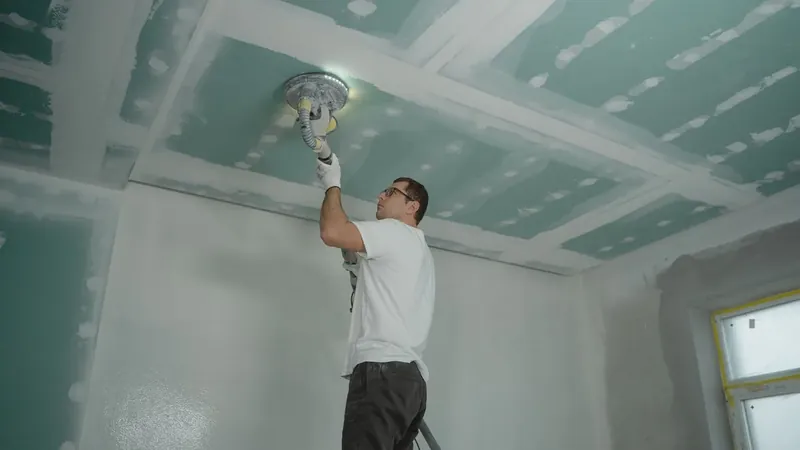
- Replace, texture and paint the ceiling so it blends with the rest of the room. Water Damage Repair
Why Wet Ceiling Insulation Matters
Ceilings under attics carry blown-in insulation, and ceilings between floors may have batts. Wet insulation is heavy, packs down and holds water against the drywall for weeks. Wet attic insulation is usually removed with a vacuum system, the attic is dried, and new insulation goes in after readings confirm the area is dry. Leaving it in place is a common reason ceiling stains come back.
Ice Dams on Midvale Homes
Ice dams form most often on homes with low-slope roofs, little attic insulation, or warm air leaking into the attic from below. Many Midvale ramblers and split-levels from the 1950s to 1980s fit that description, and so do homes with recessed lights in the top-floor ceiling. Long cold spells followed by sunny afternoons are when they build fastest.
To cut the risk, add attic insulation, seal gaps around ceiling lights and attic hatches, keep gutters clear, and remove snow from the lower edge of the roof with a roof rake from the ground. Never chip at ice on the roof; it damages shingles.
Ceiling Leaks by Midvale Home Type
Ramblers and Bungalows
Single-story homes near Historic Main Street and East Midvale have the attic right above the living space. Roof leaks, ice dams and swamp cooler overflows land directly on ceiling drywall and blown-in insulation, so stains show up quickly in living rooms, hallways and bedrooms.
Split-Levels in Hillcrest and Union Park
Split-levels stack rooms at different heights. A bathroom on the upper level often sits over the family room or entry below, so a leaking toilet or tub drain shows up on the lower ceiling first. Cantilevered floors over the lower level also hide supply lines that can freeze.
Two-Story Homes and Townhomes
Newer homes and townhomes in Bingham Junction, Jordan Bluffs and View 72 put laundry rooms, bathrooms and water heaters upstairs. One washer hose or shower pan failure can stain the kitchen or living room ceiling below. In shared buildings, water from one unit comes through the next unit's ceiling.
Offices and Shops
Businesses on Fort Union Blvd, Union Park Ave and 7200 South often have drop ceilings. Wet tiles sag, stain and fall, and water runs along the grid to spread the damage. Wet tiles are replaced, the grid is cleaned, and the space above is dried. Commercial Water Damage
Signs of a Hidden Ceiling Leak
Not every ceiling leak drips. Watch for these quieter signs:
- Paint that bubbles, peels or looks wrinkled.
- Yellow or brown rings that grow slowly over weeks.
- Drywall seams or screw heads showing through the paint.
- A soft spot when you gently press the ceiling.
- A musty smell in one room, especially under a bathroom.
- Dark spots that may be mold around a vent or light.
Thermal imaging can confirm whether a ceiling is wet without cutting it open. Water Leak Detection
What Ceiling Water Damage Repair Midvale UT Costs
General ranges for planning:
- Small stain, dried and repainted: about $600 to $1,200
- Section of ceiling replaced and textured: about $1,200 to $2,500
- Large area with wet insulation or a collapse: about $2,500 to $3,500 or more
Cost depends on the size of the damage, the ceiling type, whether insulation must be removed, whether texture needs testing, and the repair of the source. Plumbing and roofing repairs are separate.
Ceiling Water Damage FAQ
Can I just paint over a ceiling water stain?
Only after the source is fixed and the area behind it is confirmed dry. Painting over wet drywall traps moisture and the stain usually comes back.
Is a ceiling water stain an emergency?
A dry, old stain is not urgent. A stain that is growing, soft, bulging or dripping is, because the ceiling may fail and mold may be starting.
Does insurance cover ceiling water damage?
Damage from a sudden event, like a burst pipe or overflow, is often covered. A slow leak from worn grout or an old roof may not be.
How long does ceiling drying take?
Usually about 2 to 4 days once the wet drywall and insulation are removed.
Why does the stain keep coming back?
Either the source wasn't fully fixed, or wet insulation or wood above the ceiling is still holding moisture.
Water Overhead? Get It Handled Before the Ceiling Fails
A ceiling holding water can come down without warning. For ceiling water damage repair Midvale UT homes and businesses can reach any hour, call now. Whether it's a ceiling leak Midvale bathrooms caused or an ice dam leak Midvale Utah winters left behind, a crew is dispatched immediately.