CONDO WATER DAMAGE • MIDVALE, UTAH
24/7 Condo, Townhome & Apartment Water Damage Cleanup in Midvale, UT 84047
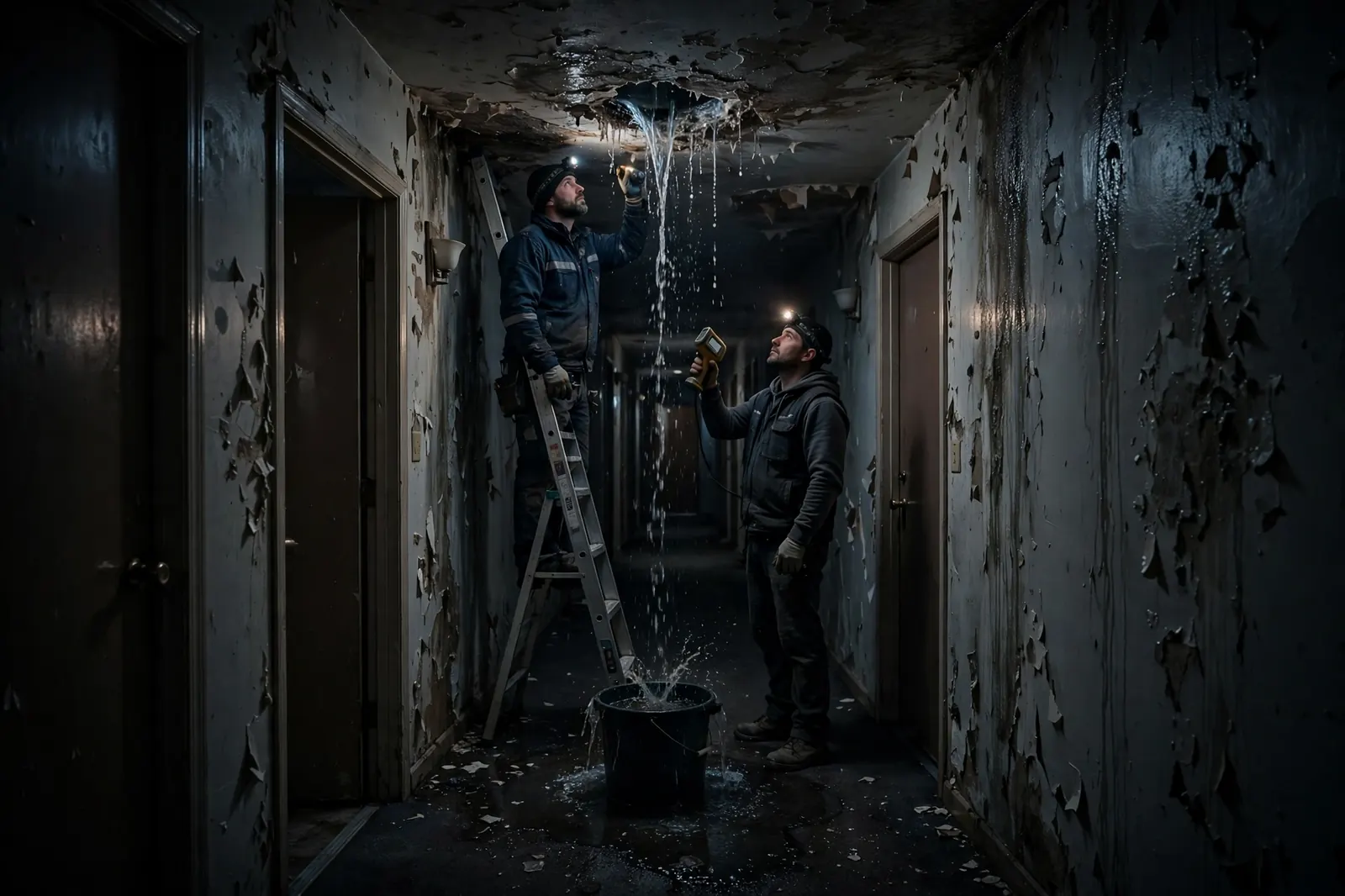
In a shared building, water never stays in one home. A washer hose upstairs becomes a ceiling leak downstairs, and a stack backup in one unit reaches three more. Our condo water damage Midvale UT crew is dispatched immediately to stop the spread, dry every affected unit and keep separate records for owners, renters, landlords and the HOA, so nobody is left guessing who handles what.
24/7 Multi-Unit Response · Unit-by-Unit Records · Owners, Renters & HOAs · Ceiling & Wall Drying
Who pays when water leaks from an upstairs condo in Midvale?
It depends on where the leak started and your HOA documents. Usually the HOA master policy covers shared structure and the owner's HO-6 covers the unit interior and belongings.
Utah condo and townhome communities run on two layers of rules: state law, including Utah's Condominium Ownership Act, and the HOA's own governing documents, usually called the declaration or CC&Rs. Those documents say which parts of the building belong to the association and which belong to each owner, and they set how the master policy deductible is handled. That split decides who pays for what. A pipe inside a shared wall, a roof leak or a common drain stack often falls to the association. A washer hose, dishwasher line or toilet inside one unit often falls to that owner. Renters are covered only for their own belongings and only through a renters policy. Because every community's documents differ, the first step is always clear records of where the water started and where it went.
Water Leak From Upstairs Unit: What to Do First
If you find a water leak from upstairs unit ceilings or walls, take these steps in order:
- Knock on the unit above or call them. If no one answers, call the property manager or HOA emergency line.
- Shut off power to the wet room if water is near lights or outlets.
- Protect belongings. Move electronics, furniture and papers out of the drip zone.
- Take photos and video of the ceiling, walls and floor right away.
- Call (385) 337-3560 so a crew is dispatched while the source is found.
- Notify your own insurer and, if you rent, your landlord.
- Keep a written log of who you spoke to and when.
Don't wait for the other parties to sort out responsibility before drying starts. Every hour the water sits makes the claim bigger for everyone.
How Water Moves Through Midvale's Stacked Buildings
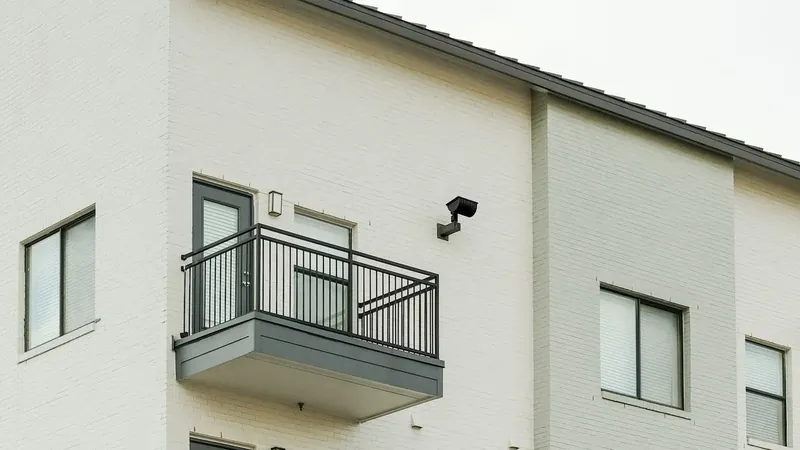
About a third of Midvale's housing units sit in buildings with 10 or more units, and many more are townhomes that share walls. Water in these buildings follows paths you can't see:
- Down through floors: from a bathroom, laundry or kitchen into the ceiling of the unit below.
- Along shared walls: through wall cavities, plumbing chases and gaps around pipes into the unit next door.
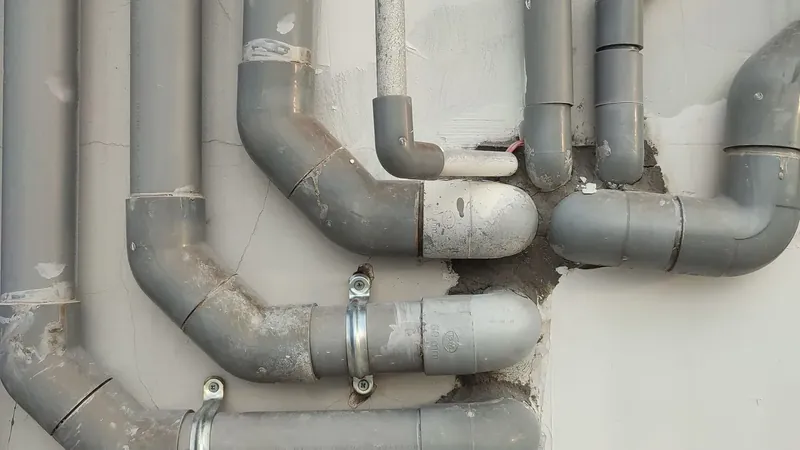
- Through drain stacks: a blockage in a shared stack backs sewage into the lowest unit on that line. Sewage Backup Cleanup
- Along concrete slabs: under flooring in podium-style buildings, water can travel across a floor before it shows.
- From the roof or a sprinkler line: into top-floor units, then down to lower floors.
That's why we check the units above, below and beside the source, not just the one that called.
Apartment Water Damage Midvale: Owners, Renters and Landlords
Apartment water damage Midvale renters face sits in an awkward spot. The landlord's policy covers the building, but not the tenant's belongings. The tenant's renters policy covers their belongings, but not the walls or floors. When we're called to an apartment, we:
- Photograph and list the tenant's damaged belongings separately.
- Document the structure, floors, walls and cabinets for the owner.
- Note the source and the date the leak was found.
- Share the records with the right party for each part of the claim.
More than half of Midvale homes are rented, so this split comes up on almost every multi-unit job. Clear records keep the tenant, landlord and property manager on the same page.
Townhome Water Leak Midvale: Shared Walls, Separate Owners
A townhome water leak Midvale owners report usually comes through a shared wall or from an upstairs laundry or bathroom. Townhome communities often divide responsibility differently than condos: owners may be responsible for more of their own structure, while the HOA covers roofs, exteriors or common areas. Around Bingham Junction, Jordan Bluffs and View 72, many townhomes have the laundry, water heater and bathrooms upstairs, so a single failure can damage two floors at once. We dry both floors together and check the neighboring unit's shared wall.
HOA Water Damage Responsibility: A General Guide
Every community is different, so always check your governing documents. This table shows how responsibility often splits in Utah condo and townhome communities.
| Source of the water | Often handled by | Notes |
|---|---|---|
| Pipe inside a shared wall or ceiling | HOA master policy | Deductible may be charged back to an owner in some cases |
| Roof, exterior or common area | HOA master policy | Applies to water entering through building components |
| Washer, dishwasher, toilet or fixture inside a unit | That unit's owner (HO-6) | Damage to other units may still go through the master policy |
| Shared drain stack backup | HOA, depending on the cause | Lower units are usually hit hardest |
| Renter's belongings | Renter's own policy | Neither the HOA nor the owner's policy covers them |
HOA water damage responsibility questions are rarely settled on day one. Drying shouldn't wait for them.
HO-6 Water Damage: What Unit Owners Should Know
An HO-6 policy covers the parts of a condo the owner is responsible for, usually interior walls, flooring, cabinets and fixtures, plus personal belongings and liability. HO-6 water damage claims often involve the master policy deductible too, because many associations can pass part of that deductible to the owner whose unit caused the loss. Check two things now, before a leak: how much "walls-in" coverage your HO-6 has, and whether it includes loss assessment coverage for HOA deductibles.
How We Handle Multi-Unit Water Damage
- Find and stop the source with the help of the owner, tenant or property manager.
- Check every connected unit above, below and beside the source with moisture meters and thermal imaging.
- Extract water from each affected unit.
- Dry ceilings, walls and floors with air movers, dehumidifiers and wall-cavity drying.
- Keep separate records for each unit: photos, moisture readings and a list of removed materials.
- Give the HOA or property manager one summary of the whole loss.
- Rebuild each unit once dry. Water Damage Repair
For ceiling damage in the unit below, see Ceiling Water Damage.
Fire Sprinkler Discharges
Newer apartment and condo buildings have fire sprinkler systems. A frozen sprinkler line, a damaged head or an accidental hit can release a large volume of water fast, often into hallways and several units at once. Sprinkler water sits in the pipes for a long time and is not clean, so it is handled as gray water. Shutting off the system is a job for building management or the fire protection company. Once it's off, we extract and dry every affected area.
Midvale Multi-Unit Communities We Serve
- Bingham Junction and Jordan Bluffs: newer apartments, condos and townhomes near the TRAX station.
- View 72 and the 7200 South corridor: larger apartment buildings with stacked units.
- Fort Union and Union Park: older condo complexes and townhomes near shopping and offices.
- Center Street and Main Street area: established condo developments and older duplexes.
- Duplexes and basement apartments citywide: owner-occupied homes with rented units above or below.
Most Common Leak Sources in Midvale Condos and Apartments
| Source | Where it usually starts | Who it usually reaches |
|---|---|---|
| Washer hose or drain | Upstairs laundry closet | Ceiling and walls of the unit below |
| Toilet supply line or wax ring | Bathroom floor | Bathroom and hallway ceiling below |
| Dishwasher or fridge line | Kitchen cabinets and floor | Kitchen ceiling below; cabinets next door on shared walls |
| Water heater | Utility closet | Floors in the same unit and the unit below |
| Shower pan or tub drain | Bathroom | Ceiling below, often slowly over weeks |
| Shared drain stack | Inside common walls | Lowest unit on the stack |
| Roof or sprinkler line | Top floor or hallway | Top-floor units, then lower floors |
For water heater and appliance leaks, see Water Heater & Appliance Leak Cleanup.
What Condo Water Damage Midvale UT Cleanup Costs
General ranges for planning:
- One unit, small leak caught early: about $1,500 to $3,500
- One unit with ceiling, wall and floor damage: about $3,000 to $7,000
- Two or more units affected: about $5,000 to $10,000 per unit or more
Cost depends on the number of units, how far water traveled, the water category, the finishes involved and drying time. Who pays depends on your HOA documents and policies.
Preventing Unit-to-Unit Leaks
- Replace rubber washer hoses with braided stainless hoses.
- Put drain pans under upstairs washers and water heaters.
- Add water-leak alarms in laundry rooms, under sinks and near water heaters.
- Shut off the washer valves when you travel.
- Report small stains or drips to the HOA or manager right away.
- Keep your unit heated in winter, even when empty.
Condo & Apartment Water Damage FAQ
My upstairs neighbor caused the leak. Do I still call my own insurer?
Usually yes. Your insurer can handle your claim and pursue the other party's insurer if needed.
Can drying start before the HOA decides who pays?
Yes, and it should. Delay makes the damage and the claim bigger.
I rent. Is my landlord responsible for my belongings?
Usually not. Your belongings are covered by your renters policy, if you have one.
Will you work with our property manager?
Yes. We coordinate access, share records and give the manager one summary for the building.
How long does drying take in a condo?
Most units dry in about 3 to 5 days. Concrete floors in podium buildings can take longer.
Leak in Your Building? Stop It From Spreading
Every hour, water reaches another wall, ceiling or neighbor. For condo water damage Midvale UT owners, renters and HOAs can reach any hour, call now. Whether it's apartment water damage Midvale tenants just found or a townhome water leak Midvale owners need handled, a crew is dispatched immediately.